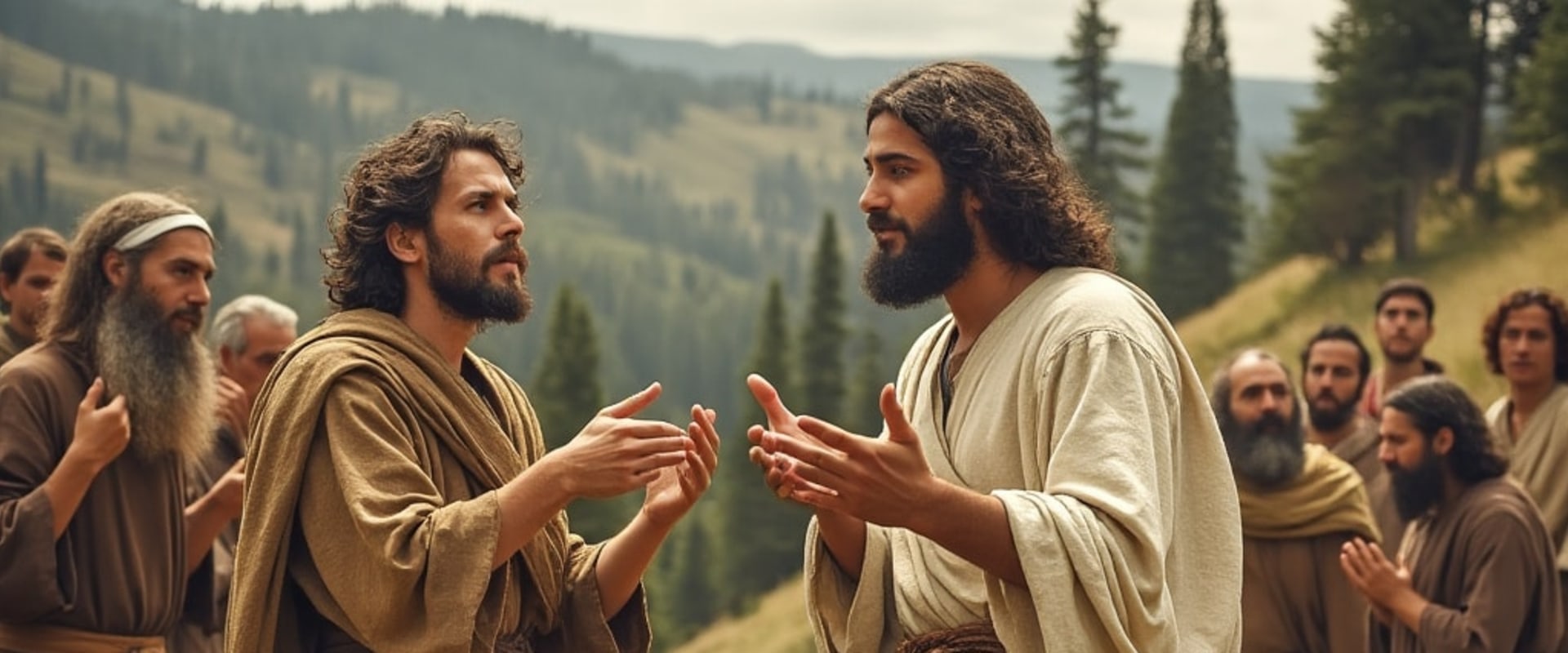
The concept of mercy is woven intricately into the fabric of Christian teachings, standing as a beacon of hope and compassion in a world often overshadowed by judgment and condemnation. Among the many profound teachings of Jesus, the Beatitudes serve as a cornerstone for understanding the essence of mercy. Found in the Gospel of Matthew, these blessed declarations not only illuminate the path to spiritual fulfillment but also challenge us to embody mercy in our daily lives. As we embark on this exploration of mercy in the Beatitudes, we are invited to reflect on how these ancient words resonate with our contemporary struggles and aspirations. What does it truly mean to be merciful? How can we integrate this core Christian value into our interactions with others? In a society that often prioritizes retribution over reconciliation, the call to practice mercy remains as relevant as ever. This article will delve into the rich theological underpinnings of mercy as articulated in the Beatitudes, examining its implications for personal growth and communal harmony.
We will uncover how embracing mercy can transform not only our own lives but also the lives of those around us. Join us as we seek to understand and embrace this vital aspect of Christian faith, exploring how mercy can be a powerful force for good in our world. The Beatitudes, a series of blessings articulated by Jesus during the Sermon on the Mount, serve as profound reflections on the core values of Christianity. Among these, "Blessed are the merciful, for they shall obtain mercy" stands out as a pivotal declaration. This particular Beatitude encapsulates the essence of mercy as a fundamental Christian value, urging believers to embody compassion and kindness in their daily lives. To be merciful means to extend grace and understanding to others, especially in their moments of need or wrongdoing.
It requires an active choice to forgive and to show love when it is not deserved. This concept is deeply rooted in the teachings of Jesus, who exemplified mercy throughout His ministry. By understanding what it means to be merciful, believers can enhance their relationship with Jesus Christ and deepen their faith journeys. The parable of the Good Samaritan serves as a quintessential example of mercy in action. In this story, a Samaritan encounters a wounded traveler who has been left for dead by the side of the road.
While others pass by without offering assistance, the Samaritan stops, tends to the man's wounds, and ensures he receives care. This act of kindness transcends societal boundaries and highlights that true mercy knows no limits or prejudices. It illustrates that to be merciful is to recognize the humanity in others and act with compassion, regardless of background or circumstance. The call to be merciful resonates deeply within the Christian faith, as it reflects one’s relationship with God. The Bible teaches that God is rich in mercy (Ephesians 2:4), and as His followers, Christians are called to mirror this divine characteristic. knows no limits or prejudices. It illustrates that to be merciful is to recognize the humanity in others and act with compassion, regardless of background or circumstance. The call to be merciful resonates deeply within the Christian faith, as it reflects one’s relationship with God. The Bible teaches that God is rich in mercy (Ephesians 2:4), and as His followers, Christians are called to mirror this divine characteristic.
When believers practice mercy, they not only align themselves with God's heart but also cultivate a deeper understanding of His grace and forgiveness in their own lives.
Mercy
, grace, and forgiveness are intricately connected within Christian doctrine. Grace can be understood as the unmerited favor bestowed by God upon humanity; it is through grace that individuals experience salvation. However, this gift is not merely for personal benefit; it comes with the expectation that recipients will extend mercy to others. As Jesus teaches in Matthew 6:14-15, forgiveness is contingent upon our willingness to forgive those who have wronged us.This reciprocal nature of mercy underscores its importance in fostering healthy relationships within the Christian community. While the concept of mercy is generally embraced within Christian teachings, there can be disagreements regarding its interpretation and application. Some may argue that being merciful could lead to enabling harmful behaviors or overlooking injustices. However, a balanced view recognizes that true mercy does not equate to ignoring wrongs but rather involves addressing them with love and compassion. It requires discernment and wisdom in how we apply mercy, ensuring that it leads to healing rather than harm. The transformative power of mercy can be witnessed through personal anecdotes and testimonies of individuals who have experienced its impact firsthand.
For example, one might hear stories of people who have found healing after extending forgiveness to those who have hurt them deeply. Others may share how acts of kindness and compassion have not only changed their lives but also inspired those around them to embrace a lifestyle rooted in mercy. These testimonies serve as powerful reminders that embodying mercy can create ripples of change within communities and families. In conclusion, exploring the depths of mercy in the Beatitudes reveals its significance as a core Christian value. As believers strive to live out this Beatitude—"Blessed are the merciful, for they shall obtain mercy"—they embark on a transformative journey that deepens their relationship with Jesus Christ and enriches their faith.
Through acts of compassion and forgiveness, Christians not only reflect God's character but also contribute to a world desperately in need of mercy.
Real-Life Applications of Mercy
Living out mercy in our daily lives is not just a lofty ideal; it is a practical application of our faith that can transform both ourselves and our communities. One of the most profound ways to embody mercy is through community service. Engaging in volunteer work allows individuals to extend compassion and support to those in need. Whether it’s serving at a local soup kitchen, participating in a food drive, or mentoring at-risk youth, these acts of service reflect the mercy that Jesus taught us.They remind us that we are called to care for the least among us, embodying the spirit of the Beatitudes. Another essential aspect of practicing mercy is through the act of forgiveness. Holding onto grudges or past grievances can weigh heavily on our hearts and hinder our spiritual growth. By choosing to forgive others, we not only release ourselves from the burden of resentment but also mirror the forgiveness that Jesus offers us. This can be as simple as letting go of minor annoyances with friends or family, or as challenging as reconciling with someone who has deeply hurt us.
Each act of forgiveness is a step towards living a merciful life. Lastly, showing compassion in our interactions with others is vital for embodying mercy. This can be expressed through small gestures, such as offering a listening ear to someone who is struggling or providing emotional support to a friend in need. It can also manifest in larger commitments, like advocating for social justice or helping to address systemic inequalities in our communities. By cultivating an attitude of compassion, we fulfill the call to be merciful as God is merciful, creating a ripple effect of kindness and understanding.
Mercy as an Expression of Faith
Mercy serves as a profound expression of faith, reflecting the essence of a believer's relationship with God.In the Beatitudes, Jesus emphasizes the importance of mercy, stating, "Blessed are the merciful, for they shall receive mercy" (Matthew 5:7). This declaration not only highlights the significance of being merciful but also underscores the reciprocal nature of mercy within the Christian faith. When individuals extend mercy to others, it is a tangible manifestation of their understanding of God’s grace in their own lives. Acknowledging that they have received unmerited favor from God inspires believers to act with compassion and kindness towards others. This action is not merely an obligation but a sincere outpouring of gratitude for the grace they have experienced. Furthermore, showing mercy enhances one’s relationship with Jesus Christ.
It aligns believers with His teachings and example, as Jesus Himself demonstrated profound mercy throughout His ministry. By emulating His behavior, believers deepen their connection to Him and reflect His love in their interactions with others. This alignment fosters a more intimate relationship with God, as believers recognize that their actions are a direct expression of their faith. In the context of salvation, mercy plays a crucial role in the believer's journey. The act of showing mercy not only fulfills a commandment of Christ but also serves as a reminder of the mercy received through His sacrifice.
As believers practice mercy, they participate in the transformative power of grace, which ultimately draws them closer to God and strengthens their faith. In conclusion, understanding mercy as an expression of faith is essential for any Christian seeking to live out the teachings of Jesus. It is an active demonstration of one’s belief and a vital component in nurturing a deeper relationship with God. The call to be merciful is not just an ideal; it is a practical application of faith that enriches both the giver and the receiver.
The Beatitudes: A Call to Mercy
The Beatitudes, found in the Gospel of Matthew, are a collection of teachings by Jesus that outline the attitudes and behaviors that reflect the values of the Kingdom of Heaven. Each Beatitude reveals a profound aspect of mercy and emphasizes its importance in the life of a Christian.1.Blessed are the poor in spirit
, for theirs is the kingdom of heaven.This Beatitude highlights the need for humility and recognition of our dependence on God. By acknowledging our spiritual poverty, we open ourselves to receive God’s mercy and grace.2.
Blessed are those who mourn
, for they will be comforted. Mourning here can refer to both personal loss and the sorrow over sin. This Beatitude connects to mercy as it emphasizes God’s compassionate response to our grief, assuring us that He is with us in our pain.3.Blessed are the meek
, for they will inherit the earth.Meekness involves gentleness and a willingness to forgive, reflecting mercy in our interactions with others. It reminds us that true strength lies in humility and compassion.4.
Blessed are those who hunger and thirst for righteousness
, for they will be filled. This desire for righteousness indicates a longing for justice and fairness, which aligns with the essence of mercy. It encourages believers to seek not just personal holiness but also to champion justice in their communities.5.Blessed are the merciful
, for they will be shown mercy.This is perhaps the most direct link to mercy. Jesus calls His followers to embody mercy in their lives, promising that those who show compassion will receive it in return from God.6.
Blessed are the pure in heart
, for they will see God. Purity of heart relates to sincerity and integrity, which are essential for living out a merciful life. A pure heart enables us to genuinely love others and extend mercy.7.Blessed are the peacemakers
, for they will be called children of God.Peacemaking often requires acts of mercy as it involves reconciliation and forgiveness between individuals and communities, reflecting God’s peace.8.
Blessed are those who are persecuted because of righteousness
, for theirs is the kingdom of heaven. Enduring persecution can lead one to experience profound mercy, both from God and from fellow believers. It serves as a reminder that suffering can deepen our faith and reliance on God's mercy. In summary, each Beatitude serves as a call to embody mercy, highlighting its central role in Christian living. They remind us that by practicing these values, we not only grow closer to God but also contribute positively to our communities and reflect Christ's love in the world. In conclusion, the exploration of mercy in the Beatitudes reveals its profound importance as a core Christian value.We have seen how the Beatitudes serve not only as a call to mercy but also as a reflection of our faith journey. By embodying mercy, we align ourselves with the teachings of Jesus, deepening our relationship with Him and enhancing our spiritual growth. Moreover, practicing mercy in our daily lives is more than just an act of kindness; it is a tangible expression of our faith. It allows us to connect more intimately with God and to reflect His grace in a world that desperately needs it. Therefore, let us take to heart the lessons from the Beatitudes and commit ourselves to living out mercy as a vital aspect of our Christian walk. As we strive to embody this essential value, may we remember that each act of mercy brings us one step closer to God, enriching not only our lives but also the lives of those around us.