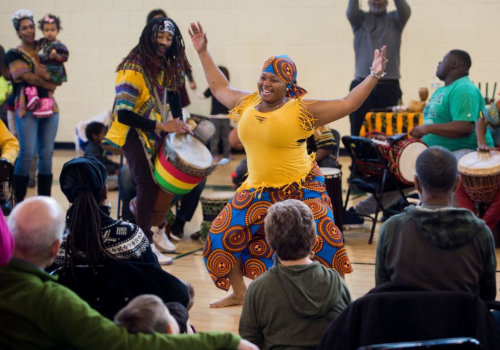
Worship is a profound expression of faith, a sacred act that transcends time and culture. In the vibrant tapestry of religious practices, two distinct styles have emerged: traditional and contemporary worship. Each embodies unique characteristics, philosophies, and approaches to connecting with the divine. As communities gather to seek solace, guidance, and inspiration, understanding these two forms of worship becomes increasingly significant. The traditional worship style often evokes a sense of nostalgia and reverence, characterized by structured rituals, hymns, and age-old liturgies that have been passed down through generations.
This style fosters a deep connection to history and heritage, allowing worshippers to engage with their faith in a familiar and comforting environment. On the other hand, contemporary worship embraces modernity, blending innovative musical styles, multimedia elements, and informal settings to create an engaging and dynamic atmosphere. This approach resonates with younger generations, offering a fresh perspective on spirituality that encourages personal expression and community involvement. As we delve into the intricacies of traditional vs. contemporary worshiptraditional vs. contemporary worship, we invite you to explore how these two practices shape the experience of faith for individuals and communities alike. What are the underlying beliefs that drive each style? How do they cater to the diverse needs of worshippers? Join us on this enlightening journey as we uncover the rich layers of worship styles and expressions that continue to evolve in our ever-changing world. Worship has always held a central place in the Christian faith, serving as a profound expression of devotion and a means of connecting believers with God.
The evolution of worship practices reflects the dynamic relationship between faith and culture, with traditional worship and contemporary worship representing two distinct yet significant approaches to honoring God. Understanding these styles offers insights into how different communities express their beliefs and seek to deepen their relationship with Jesus Christ.
Traditional worship
is rooted in the historical practices of the Church, often characterized by structured liturgy and the use of hymns that have been passed down through generations. This style typically includes elements such as formal prayers, scripture readings, and the recitation of creeds. The use of hymns—rich in theological content—provides a sense of continuity and connection to the heritage of the faith.Many traditional churches foster a strong sense of community, where congregants participate in familiar rituals that reinforce their collective identity as followers of Christ. This shared experience not only strengthens bonds among members but also creates a feeling of belonging to something greater than oneself. In contrast, contemporary worship has emerged as a more flexible and innovative approach, often incorporating modern music styles, technology, and informal settings. This form of worship appeals to a broader demographic, particularly younger generations who may feel more comfortable expressing their spirituality through contemporary music genres such as rock, pop, or folk. Contemporary worship services often feature live bands, multimedia presentations, and interactive elements that encourage personal engagement.
The emphasis on personal connection with God is paramount in this setting, where individuals are invited to express their faith in ways that resonate with their everyday experiences. When examining the elements found in each style, several distinctions become evident. In traditional worship, prayer practices may include written prayers or responses that guide the congregation through a structured format, fostering reverence and reflection. Scripture readings are often selected from established lectionaries, providing a rhythm to the liturgical calendar. Community involvement in traditional settings may manifest through service projects or fellowship gatherings that strengthen ties among congregants. Conversely, contemporary worship tends to embrace spontaneous prayer and personal testimonies, allowing individuals to share their experiences and connect deeply with one another and with God.
Scripture readings might be interspersed throughout the service in a more informal manner, often accompanied by contemporary songs that reflect the themes of the message. Community involvement in contemporary contexts can also take various forms, including social media outreach, service events, and engaging discussions that encourage active participation. The theological underpinnings that drive these worship styles reveal an essential truth: both aim to glorify God and foster a deeper relationship with Him. While traditional worship emphasizes reverence and historical continuity, contemporary worship focuses on relevance and personal expression. Supporters of each style may hold differing opinions about what constitutes 'true' worship; however, it is crucial to recognize that diversity within the Christian community enriches the overall experience of faith. Ultimately, personal preference plays a significant role in worship experiences.
Some individuals find profound meaning in the rituals and traditions of traditional worship, while others resonate more with the energy and immediacy of contemporary worship. Both styles offer unique pathways for believers to encounter God, grow in their faith, and engage with their community. Embracing this diversity allows for a more inclusive understanding of how worship can manifest in various forms within the body of Christ.
The Rise of Contemporary Worship
The emergence of contemporary worship styles has transformed the landscape of Christian worship in recent decades. This shift reflects a growing desire among congregations to connect with their faith in ways that resonate with modern culture and personal experiences. One of the most significant factors contributing to this rise is the incorporation of modern music into worship services.Unlike traditional hymns, which often feature classical melodies and structured formats, contemporary worship embraces a variety of genres, including pop, rock, and folk. This shift allows for a more relatable and engaging worship experience, encouraging participation and emotional connection from congregants. Moreover, the settings in which contemporary worship takes place are often more informal than those typically associated with traditional worship. Many churches have adopted relaxed environments, where congregants can feel at ease. This includes utilizing coffee shops, community centers, or even outdoor spaces that foster a sense of community and shared experience. The rise of contemporary worship is not just about style; it's also about accessibility.
Churches that embrace contemporary practices often aim to reach a broader audience, including younger generations who may feel disconnected from traditional expressions of faith. By doing so, they create an inviting atmosphere that encourages individuals to explore their spirituality and deepen their understanding of their relationship with Jesus Christ. In summary, the evolution of contemporary worship represents a significant shift in how believers engage with their faith. By embracing modern music and informal settings, contemporary worship seeks to resonate with today's culture while fostering a deeper connection to the message of salvation.
Impact on Personal Faith
Traditional worship often emphasizes a structured and reverent approach to connecting with God. This style typically includes hymns, liturgical readings, and a focus on historical practices that have shaped the Christian faith over centuries.For many believers, traditional worship fosters a sense of continuity and belonging, as it connects them to the wider Christian community and its rich heritage. The familiarity of traditional elements can provide comfort and stability, allowing individuals to deepen their personal relationship with God through established rituals and practices. On the other hand, fosters a sense of continuity and belonging, as it connects them to the wider Christian community and its rich heritage. The familiarity of traditional elements can provide comfort and stability, allowing individuals to deepen their personal relationship with God through established rituals and practices. On the other hand, contemporary worship tends to be more informal and innovative, often incorporating modern music, multimedia, and spontaneous expressions of faith. This style can resonate strongly with those seeking a more personal and emotionally engaging experience of worship. The use of contemporary songs and creative elements encourages individuals to express their faith in ways that feel authentic and relatable.
As a result, contemporary worship may foster a sense of community and connectedness among participants, as they share in a collective experience that feels current and relevant. Ultimately, the impact of these two styles on personal faith varies widely among individuals. For some, traditional worship provides a grounding experience that deepens their understanding of salvation through historical context and communal rituals. For others, contemporary worship offers an avenue for personal expression and emotional connection that enhances their relationship with God. Both styles play significant roles in shaping individual experiences of faith, encouraging believers to engage with their spirituality in ways that resonate with their personal journeys.
Navigating Differences
In the realm of Christian worship, traditional and contemporary styles often evoke passionate discussions among congregants.Each worship style carries its own set of beliefs, practices, and cultural backgrounds that can sometimes lead to disagreements within the church community. Traditional worship, characterized by hymns, liturgical practices, and a focus on historical faith expressions, contrasts sharply with contemporary worship, which emphasizes modern music, spontaneous expressions, and a more relaxed atmosphere. However, it is crucial to recognize that these differences do not necessarily indicate a lack of faith or commitment to Christ. Instead, they reflect the diverse ways in which believers experience and express their relationship with Jesus. While one group may find deep spiritual connection through the rich history of traditional worship, another may feel more aligned with the vibrant and creative expressions found in contemporary worship. The key to navigating these differences lies in fostering a spirit of unity.
The Apostle Paul encourages believers to maintain unity in the body of Christ, emphasizing that diversity in worship styles can enhance the church's witness rather than divide it. Each style can offer unique insights into God’s character and lead individuals closer to Him. By embracing both traditional and contemporary worship practices, churches can create a rich tapestry of faith that honors the past while also welcoming new expressions of worship. This approach invites individuals from various backgrounds to participate fully in the life of the church and deepens everyone’s understanding of salvation and faith. Ultimately, the goal of worship—regardless of style—remains the same: to glorify God and foster a deeper relationship with Him. By celebrating both traditional and contemporary practices, believers can appreciate the beauty in their differences and work together towards a common purpose in Christ.
Theological Foundations
Worship is an integral aspect of the Christian faith, serving as a means for believers to express their love, reverence, and devotion to God.Both traditional and contemporary worship styles are deeply rooted in biblical teachings, each offering unique reflections on the relationship between humanity and the divine. The Bible provides a rich tapestry of worship practices that span across the Old and New Testaments. In the Old Testament, worship was often characterized by structured rituals, sacrifices, and communal gatherings. For instance, the Book of Psalms is filled with expressions of praise and thanksgiving, emphasizing the importance of coming together as a community to worship God (Psalm 95:1-2). This aligns closely with traditional worship, which often incorporates hymns, liturgies, and sacraments that have been passed down through generations. Conversely, the New Testament introduces a more personal and spontaneous approach to worship.
Jesus’ interactions with individuals highlight the significance of heartfelt devotion over ritualistic observance (John 4:24). This emphasis on a personal relationship with God is central to contemporary worship, which often features modern music, informal settings, and an emphasis on individual expression. The Apostle Paul encourages believers to use their gifts in worship, reflecting the diversity of spiritual expressions within the body of Christ (1 Corinthians 12:4-7).Both worship styles have their theological foundations firmly rooted in scripture.
Traditional worship
draws upon the reverence and historical continuity found in biblical practices, while contemporary worship embraces innovation and personal connection.Together, they highlight different aspects of faith—one emphasizing communal heritage and structure, and the other focusing on personal experience and creativity. Ultimately, understanding these theological foundations can enrich one’s approach to worship, providing insights into how both traditional and contemporary practices contribute to a deeper understanding of salvation and faith in Jesus Christ.
Understanding Traditional Worship
Traditional worship holds a profound place within the Christian faith, characterized by its structured approach and historical roots. This style of worship often incorporates hymns, which are songs that have been passed down through generations, embodying deep theological meanings and communal expressions of faith. One of the defining features of traditional worship is its use of liturgical practices. These practices may include set prayers, readings from scripture, and specific rituals that guide the congregation through a meaningful worship experience. The liturgy serves not only as a framework for the service but also as a way to connect worshippers with the historical church, providing a sense of continuity and belonging to a larger Christian narrative. The historical significance of traditional worship is evident in its development over centuries.Rooted in the early church's practices, it reflects the theological insights and communal values of various Christian traditions. Through its emphasis on reverence and formality, traditional worship invites individuals to engage with God in a way that is reflective and solemn, often leading to a deeper understanding of salvation and faith. In addition to its musical and liturgical elements, traditional worship fosters a sense of community among congregants, as they participate together in age-old practices that unite them in their beliefs. This communal aspect can enhance the worship experience, making it not just an individual pursuit but a shared journey towards spiritual growth. In conclusion, we have explored the rich tapestry of traditional and contemporary worship styles, each offering unique expressions of faith and community. Traditional worship, with its historical roots and liturgical practices, emphasizes continuity and reverence, while contemporary worship embraces innovation and personal connection, appealing to a broad spectrum of believers.
By understanding these styles, individuals can better appreciate how they reflect different aspects of the relationship with Jesus Christ. As you reflect on your own worship preferences, consider how these styles resonate with your spiritual journey. Whether you find solace in the time-honored rituals of traditional worship or are uplifted by the dynamic energy of contemporary practices, both avenues can enhance your faith experience. We encourage you to explore further and engage with various resources that delve deeper into these worship styles.